Chewed shoes, gnawed table legs and shredded cushions are some of the most common complaints from dog owners. Chewing itself isn't bad behavior. It's a natural need. The goal is to give that need the right outlet.
Why dogs chew
- Instinct: dogs are built to chew. It keeps their jaws strong and their teeth clean.
- Teething: puppies chew to relieve sore gums as adult teeth come in.
- Boredom: a dog without enough exercise or mental stimulation will find its own entertainment.
- Stress and anxiety: chewing is self-soothing. Dogs often chew more when left alone or during changes at home.
- Hunger or curiosity: anything that smells like food, or like you, is tempting.
How to stop destructive chewing
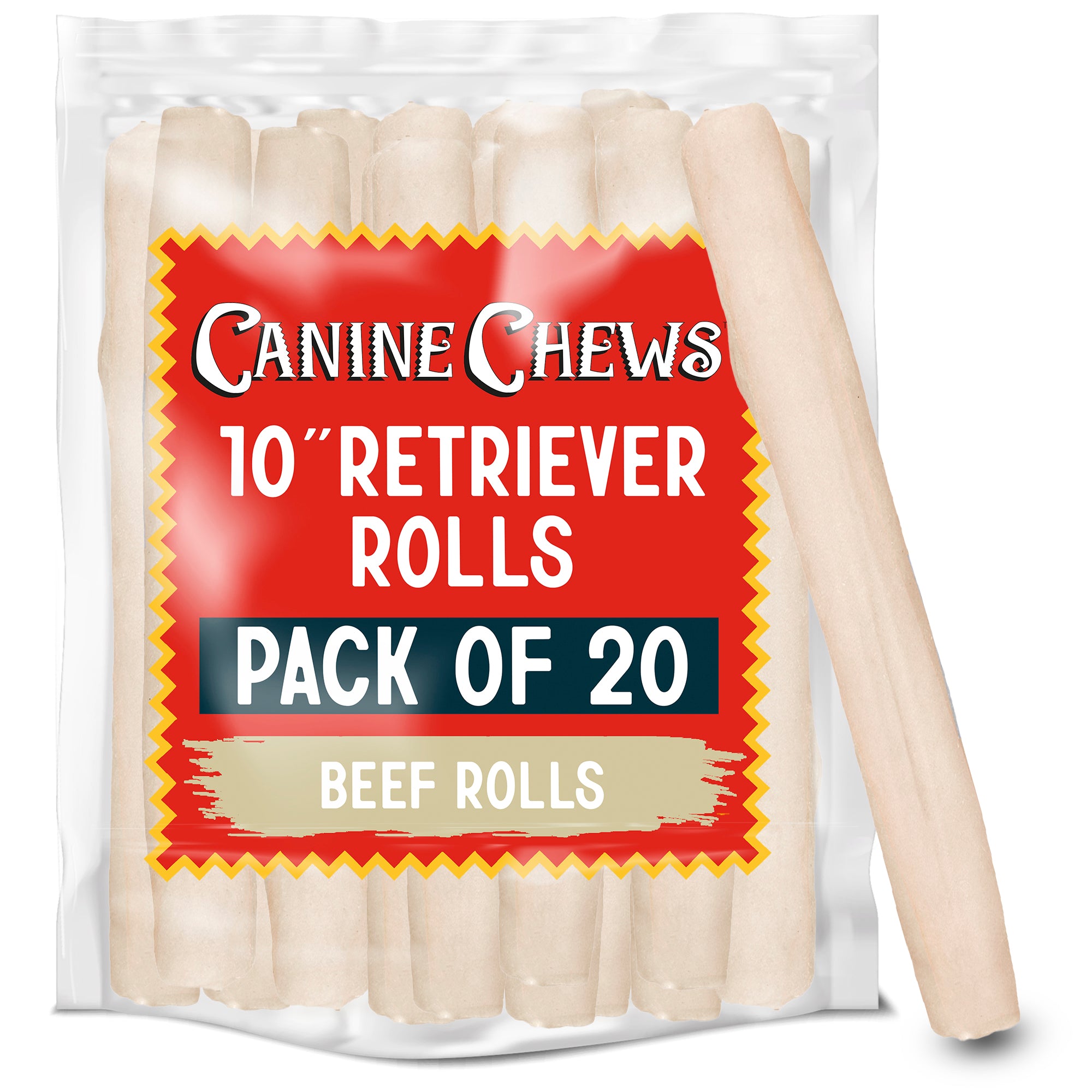
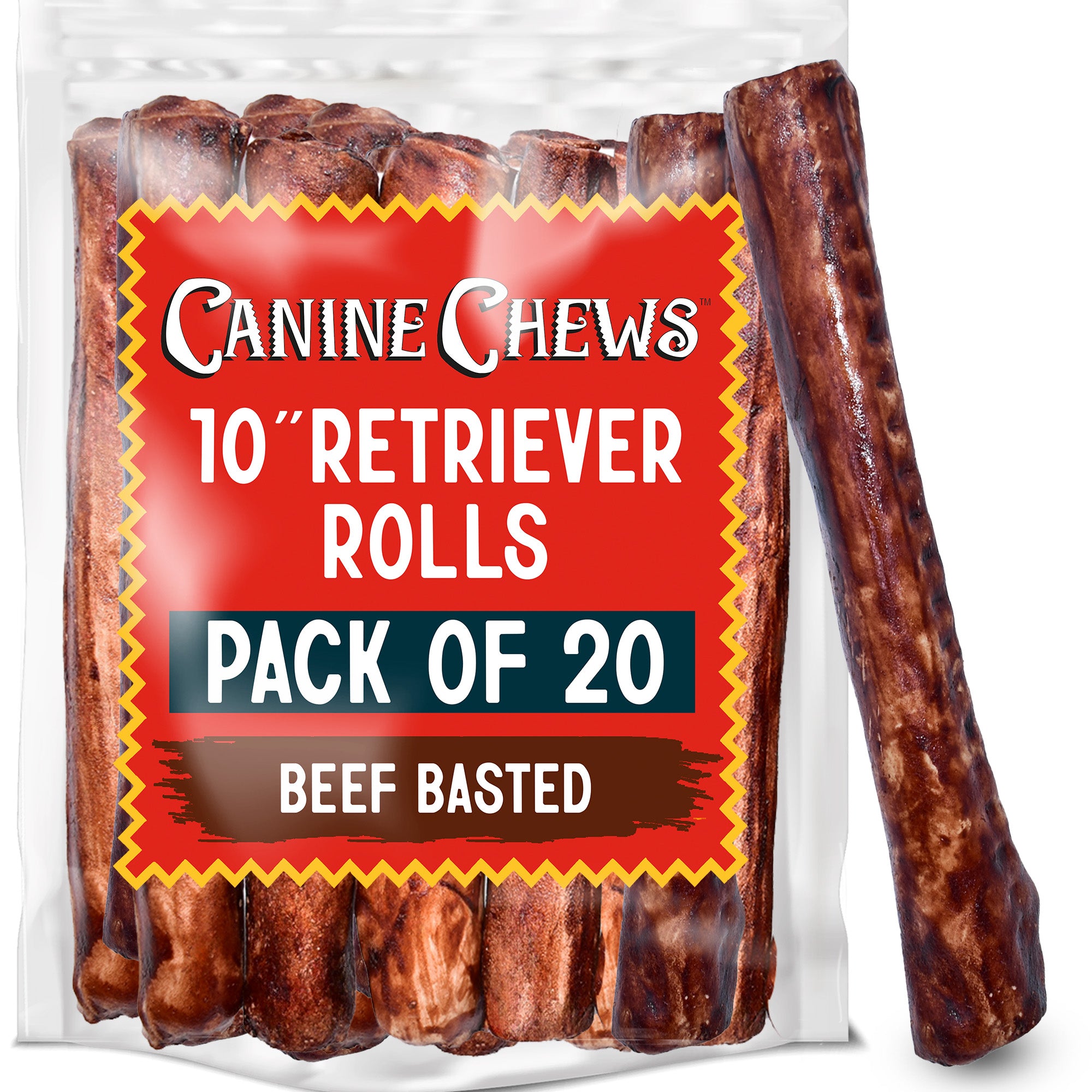
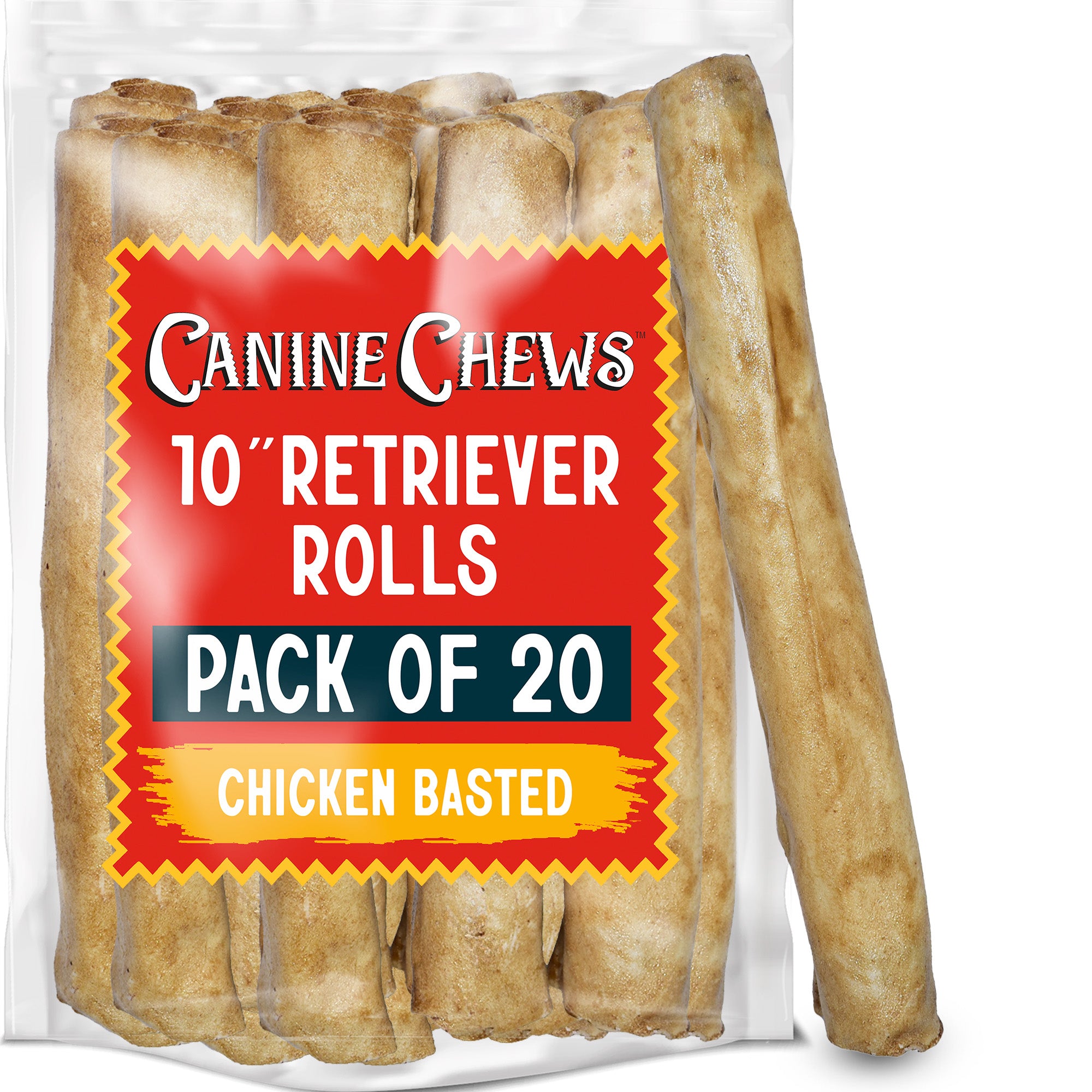
- Give them something better to chew. A long-lasting chew is far more satisfying than a shoe. Rawhide retriever rolls and bones keep dogs busy for a long time.
- Redirect, don't just scold. When you catch your dog chewing something off-limits, calmly swap it for their chew and praise them when they take it.
- Dog-proof the house. Put shoes, cords and kids' toys out of reach, especially for puppies.
- Burn off energy. Daily walks, play and simple training games reduce boredom chewing.
- Make alone time easier. Giving a chew when you leave gives your dog something calm to focus on.
Picking the right chew
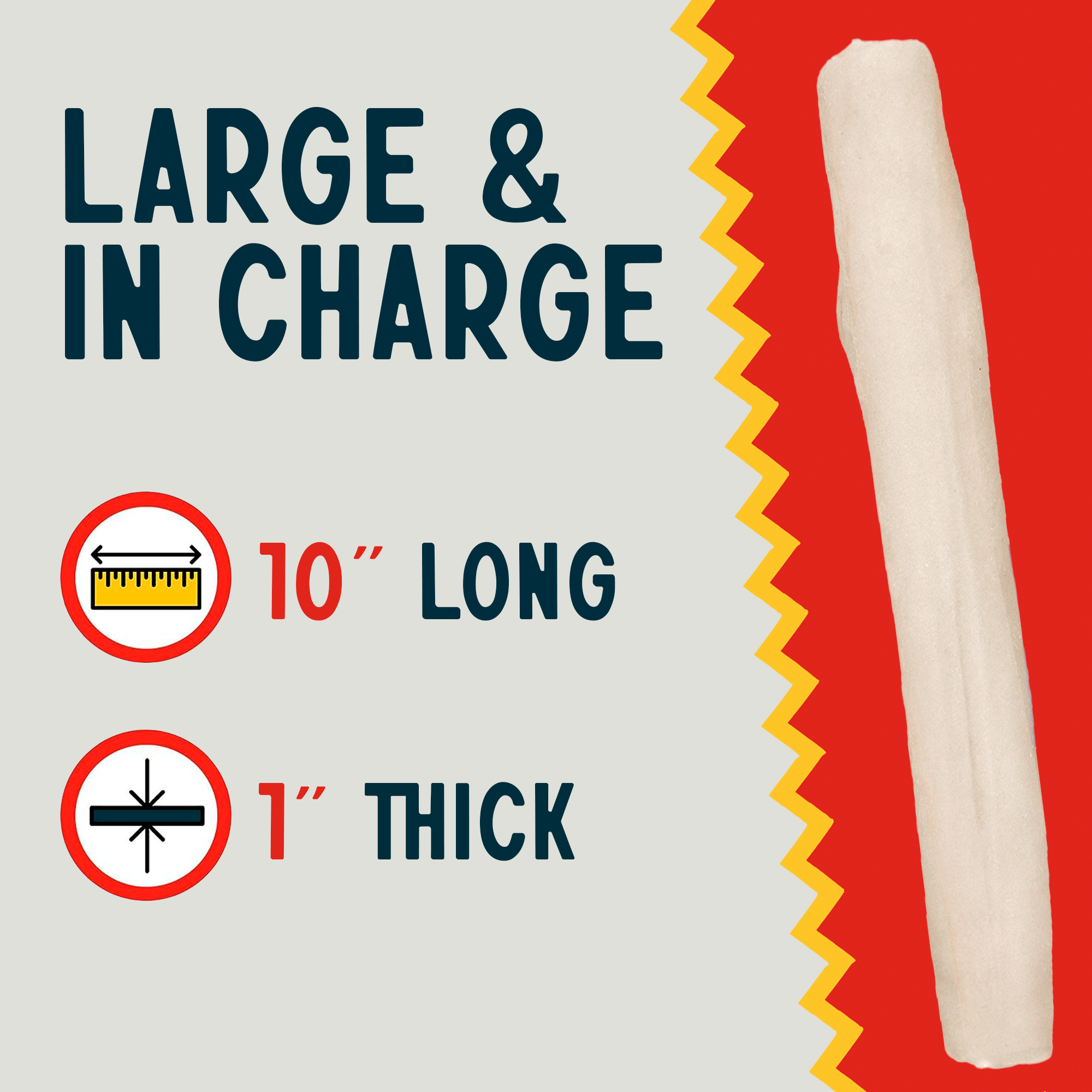
The best chew lasts long enough to satisfy your dog and fits their size. Large dogs and aggressive chewers need thick rolls or pressed bones; small dogs do best with 5" twists or munchy sticks. See our guides to chews for large dogs and chews for small dogs and puppies.
When to talk to your vet
If chewing comes on suddenly, seems obsessive, or happens with other changes in behavior or appetite, check with your vet or a trainer. Chewing can sometimes signal dental pain or anxiety that needs attention.
Always supervise chew time and take away small leftover pieces. Read more in Is Rawhide Safe for Dogs?